Overview
Timeline
(3 months) Jan 2026 - Apr 2026
My Role
User research: Stakeholder interview, Workflow Analysis, Root Cause Analysis
Context
This project focused on identifying operational pain points within a manufacturing company's ERP ecosystem and cross-department workflows. The research aimed to uncover how fragmented systems, inconsistent processes, and manual coordination affected efficiency, communication, and production delivery.
The findings from this research were later used to guide ERP workflow improvements, notification systems, production tracking enhancements, and operational standardization.
Problem
Collaborated with Anoksoft using ERP system provided by them The company operates in a manufacturing environment involving multiple departments including:
Export Sales
Technical Department
Purchasing
Production Planning
Workshop Operations
Quality Control
Equipment Management
Warehouse
Although the company had an ERP system in place, many workflows still relied heavily on:
Manual coordination
Paper-based processes
Cross-department messaging
Informal follow-ups
Offline tracking methods
Outcome & Impact
This research established a clear understanding of how fragmented workflows and limited system visibility affected manufacturing operations.
I have given the solution to C suite as UX recommendations—which was later used as baseline for new ERP system development.
The new system have went through testing with a few departments including engineering, sales and production. This is minor issues that was still in the way but when beta testing the main flow everything seems
So, how we got there?🧐
Research Methods
Research Goal
Identify workflow bottlenecks across departments:
Understand operational pain points in the ERP system
Differentiate between system-related problems and process-related problems
Discover opportunities for workflow automation and visibility improvements
Provide actionable UX recommendations for future ERP optimization
Research Scope
The scope covered both system and operational workflows across the manufacturing lifecycle:
Order management
Production scheduling
Material purchasing
Workshop execution
Quality inspection
Equipment maintenance
Warehouse inventory management
Cross-department notifications
Stakeholder interviews(semi-structured)
I have conducted discussions with staff from multiple departments to understand:
Daily operational workflows
Existing frustrations
Communication dependencies
Manual processes outside ERP
Exception handling scenarios
Workflow Analysis
Process bottlenecks
Duplicate tasks
Delayed approvals
Manual dependencies
Missing system support
Insights
Based on the stakeholder interview findings and workflow analysis, I have gained the following insights. With the insights I quietly identified that these insights can be categorized into 2 types: 1) system problems caused by ERP limitations or poor system design; 2) process & execution problems caused by inconsistent operational practices. So I also put these insights into categories before presenting to the C suites.
System Problems:
No real-time status tracking
Weak notification systems
Missing return workflows
No centralized equipment records
Lack of digital workflow standardization
Process & Execution Problems
Missing information during order setup
Inconsistent use of paper flow cards
Delayed approvals
Unstandardized workshop reporting
Lack of enforcement for existing SOPs
Solutions
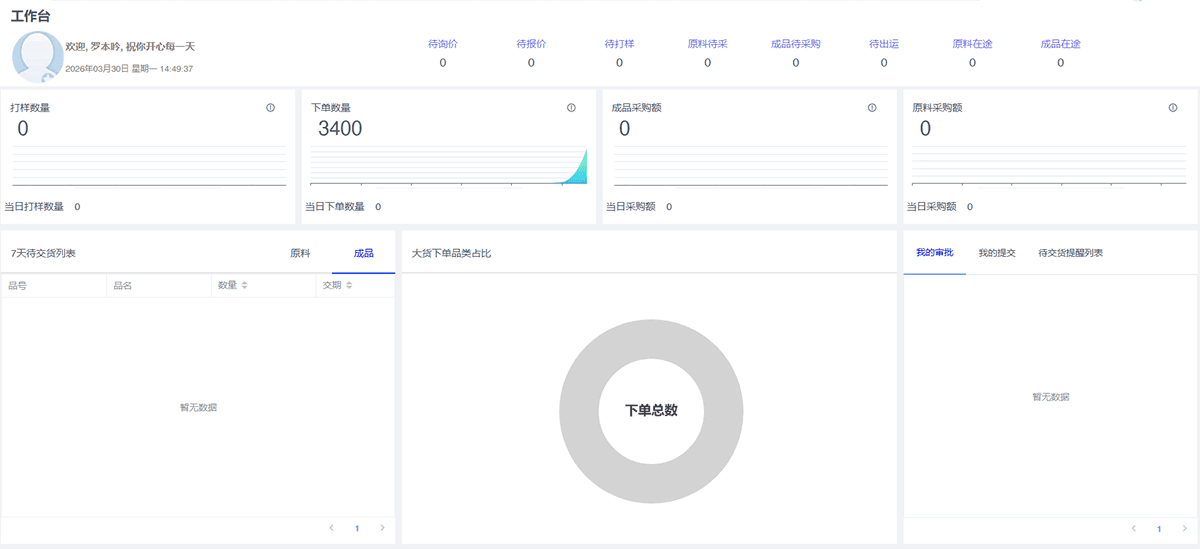
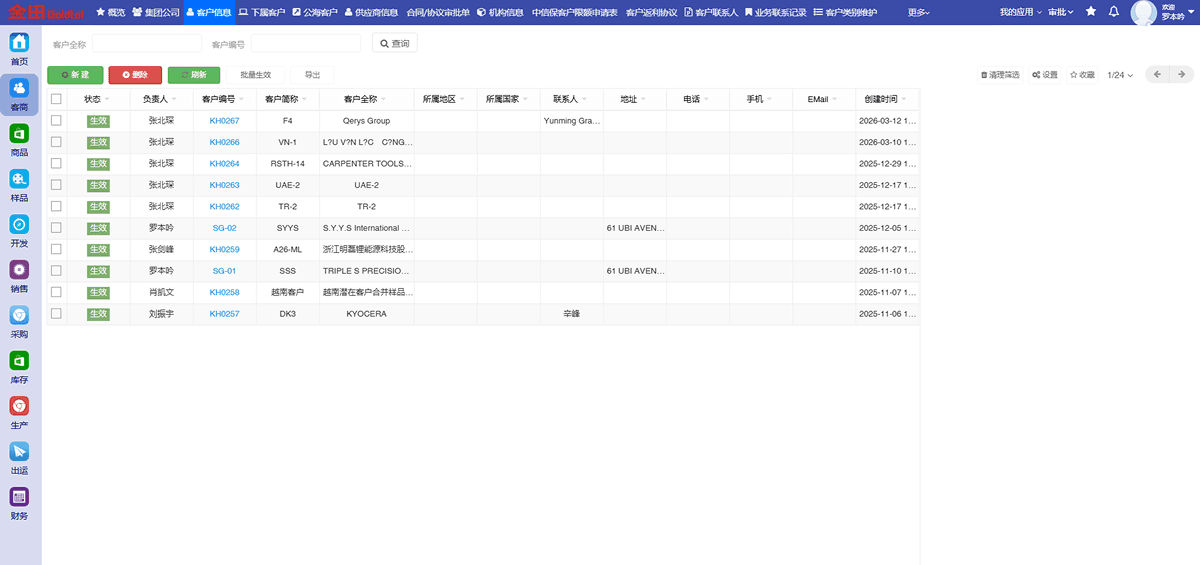
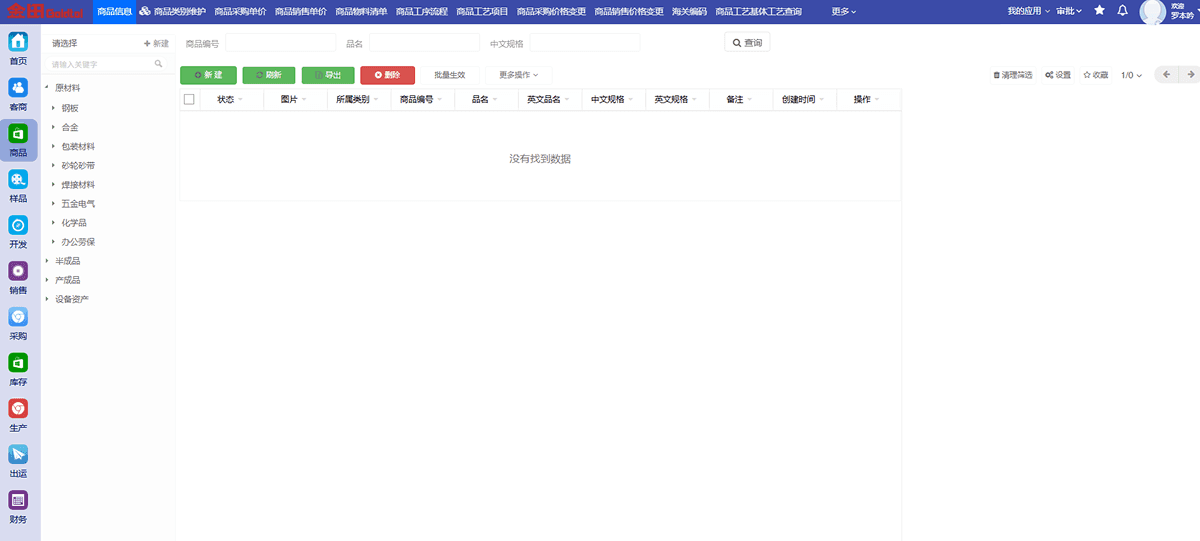
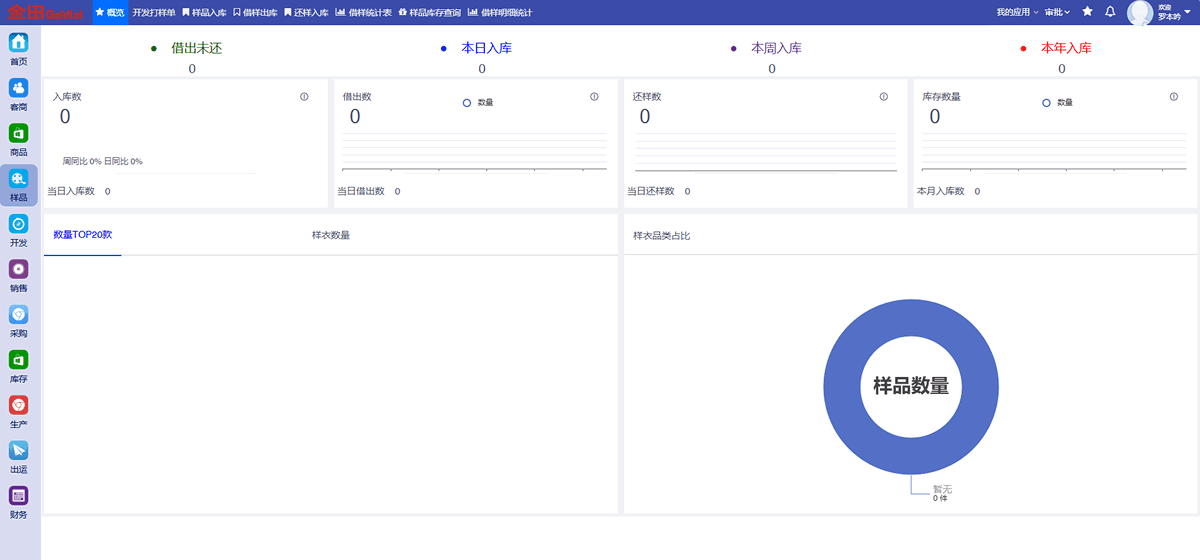
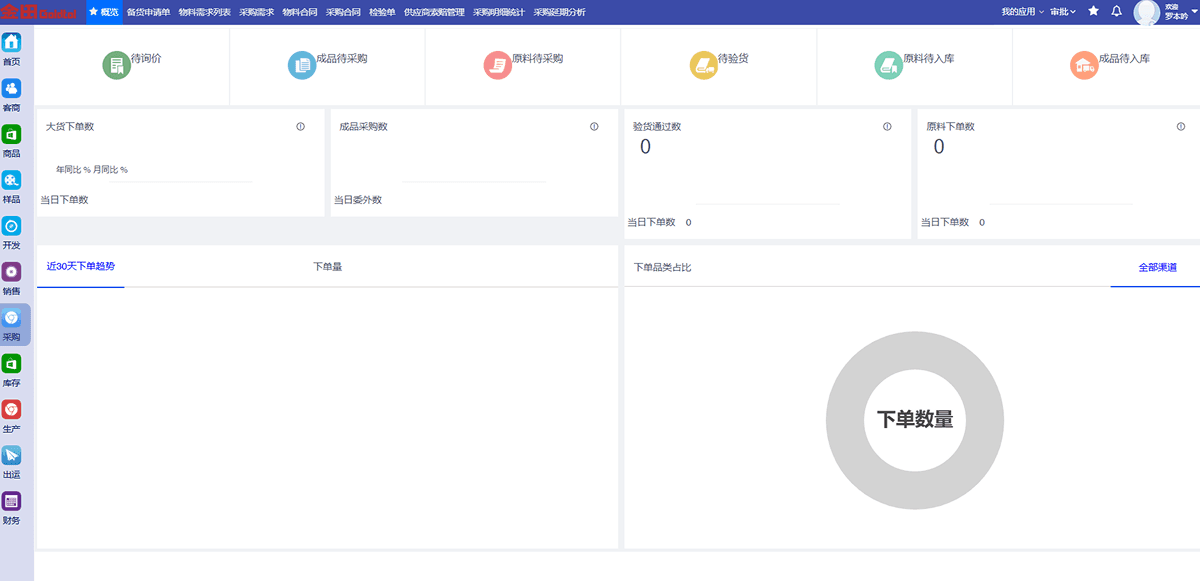
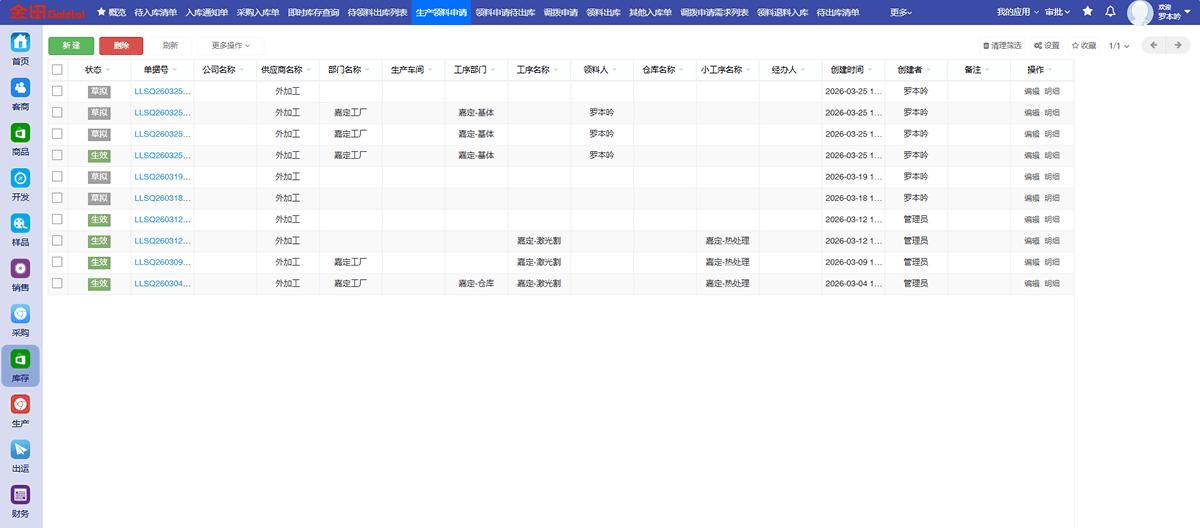
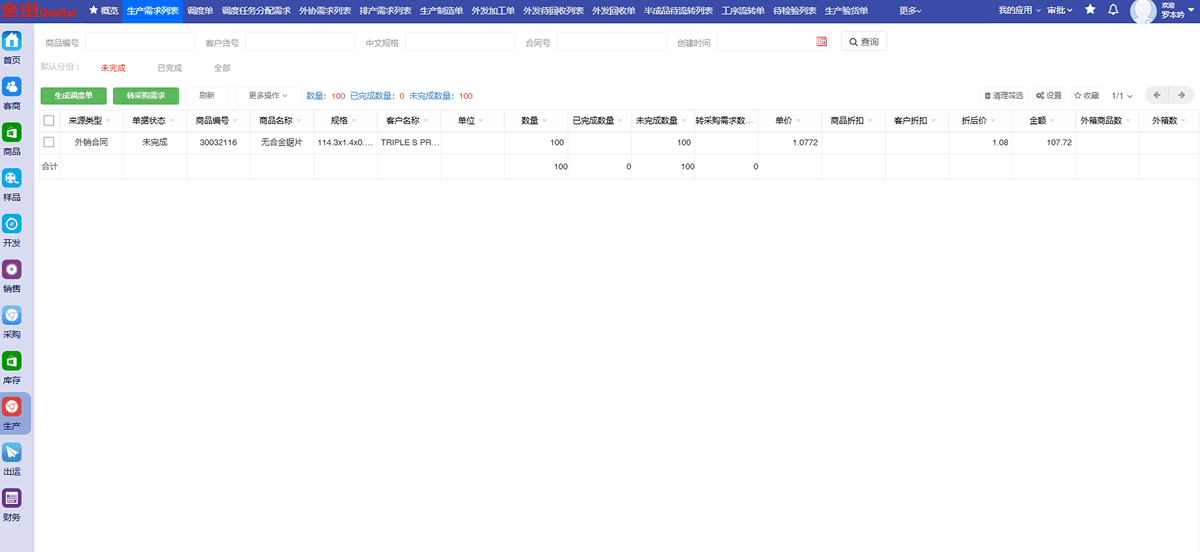
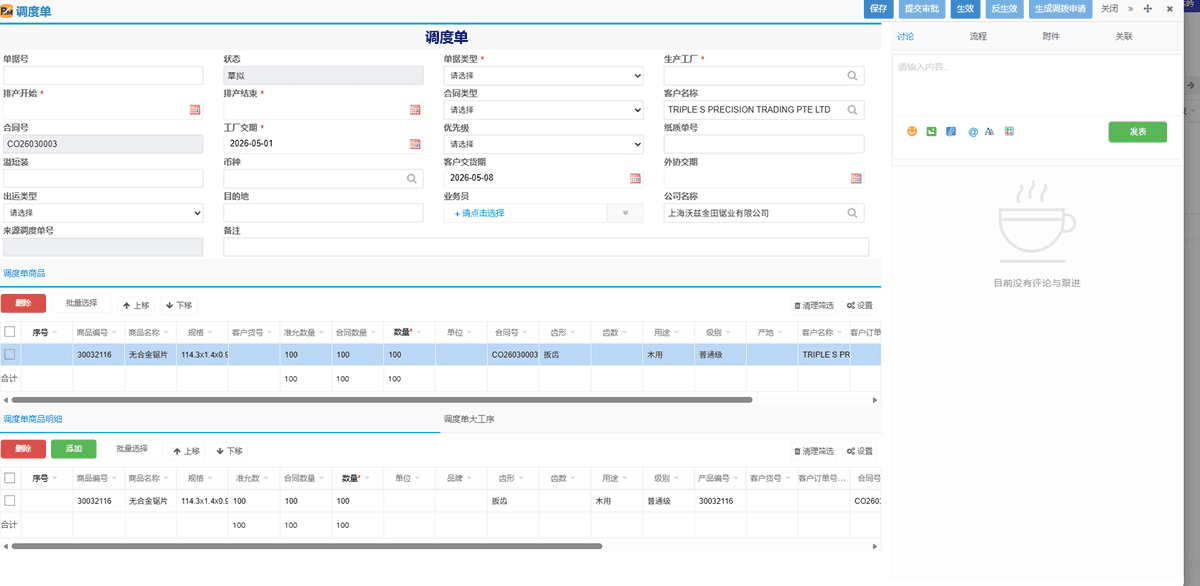
Due to NDA, I am not allowed to show the old ERP which contains crucial client information; however, I can show a few improved ERP modules with UX recommendations implemented.


Reflection
During research, it became clear that fully digitizing every process immediately would not be practical. It seems like if we try to solve try every user problem it would be unrealistic.
For example:
Workshop teams still required paper flow cards during factory audits.
Handwritten updates were sometimes faster during urgent production changes.
Different workshops had unique operational requirements.
Therefore, future UX solutions should:
Support gradual digital transformation
Balance flexibility with standardization
Minimize operational disruption
Reduce administrative workload
Improve visibility without overcomplicating workflows
Thanks for reading till the end :D
© 2026 by Benyin (❁´◡`❁)